
Massa Carrara — Italia
Massa Carrara — Italia
The Apuan Alps are not conquered.
They are listened to. — Keturah Stones
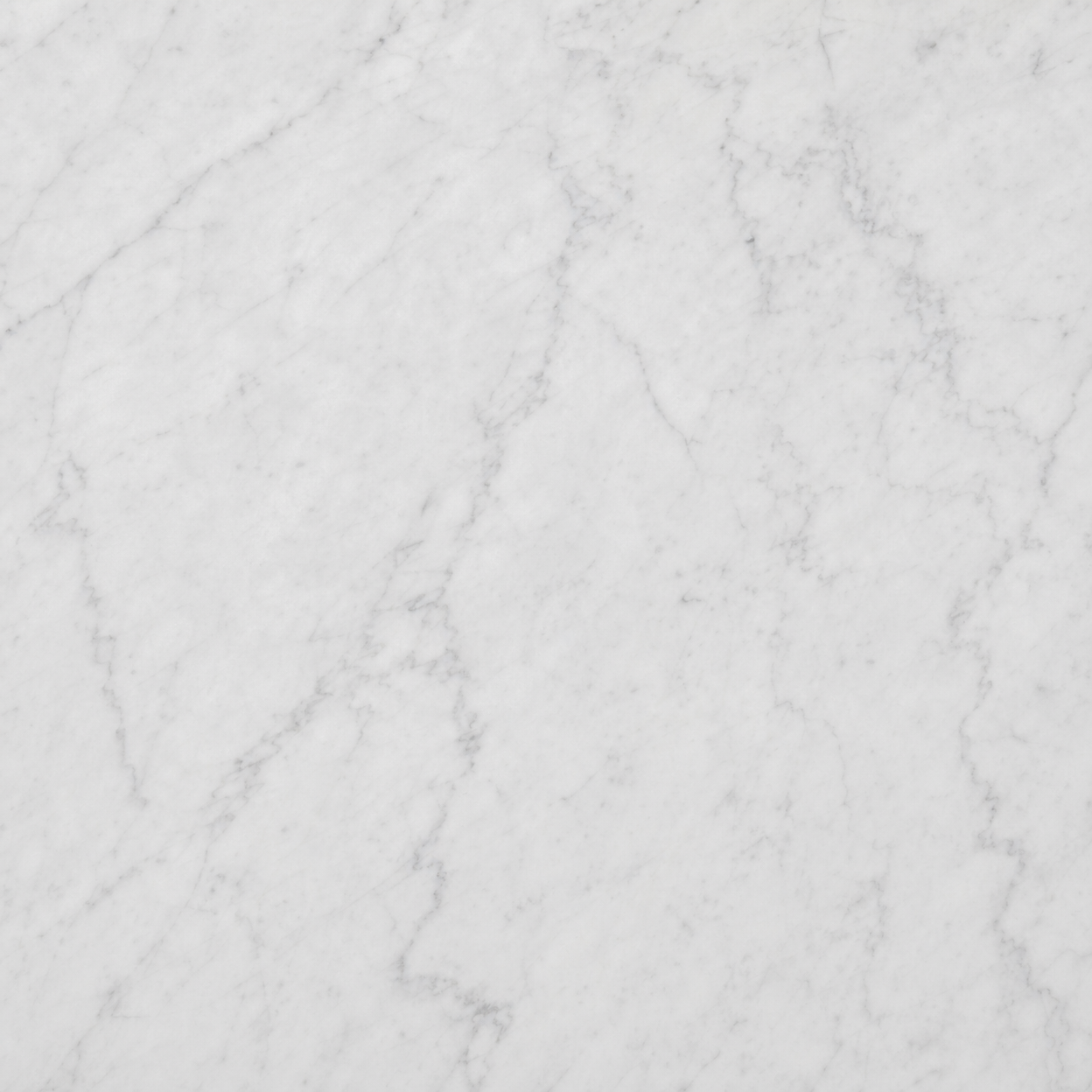
Massa Carrara · Alpi Apuane
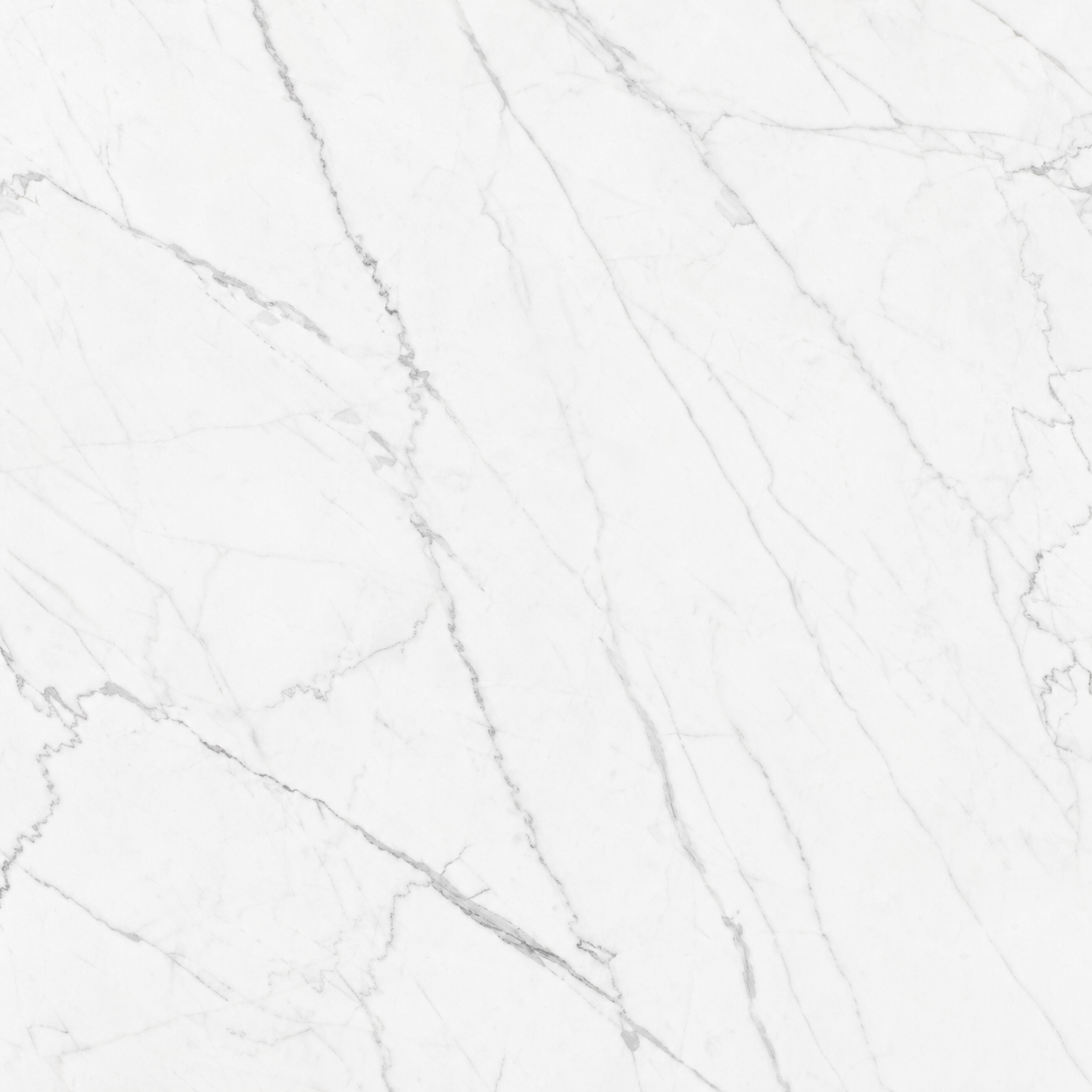
Lasa · Val Venosta
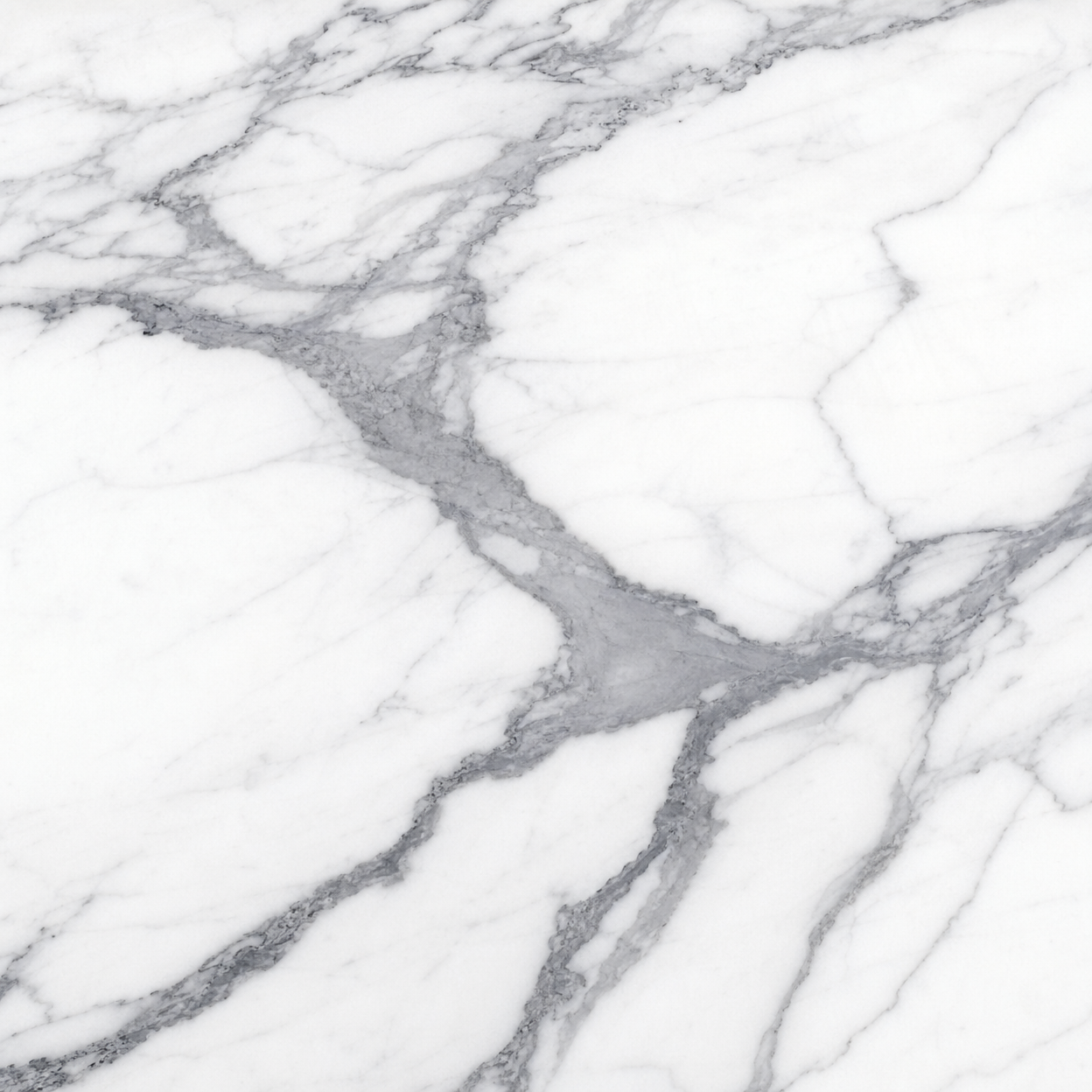
Apuanes · Gradient
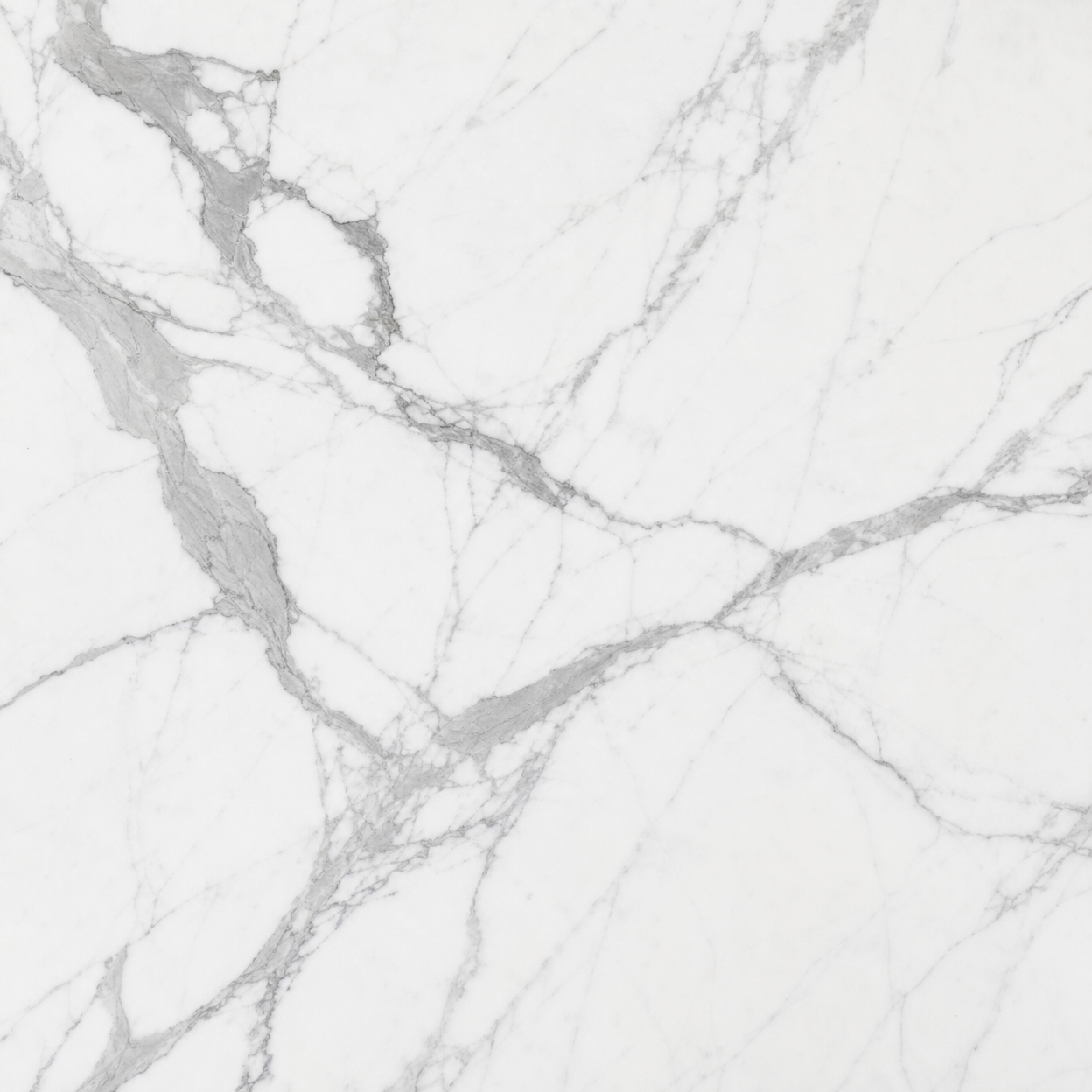
Massa Carrara · Vena Chiara
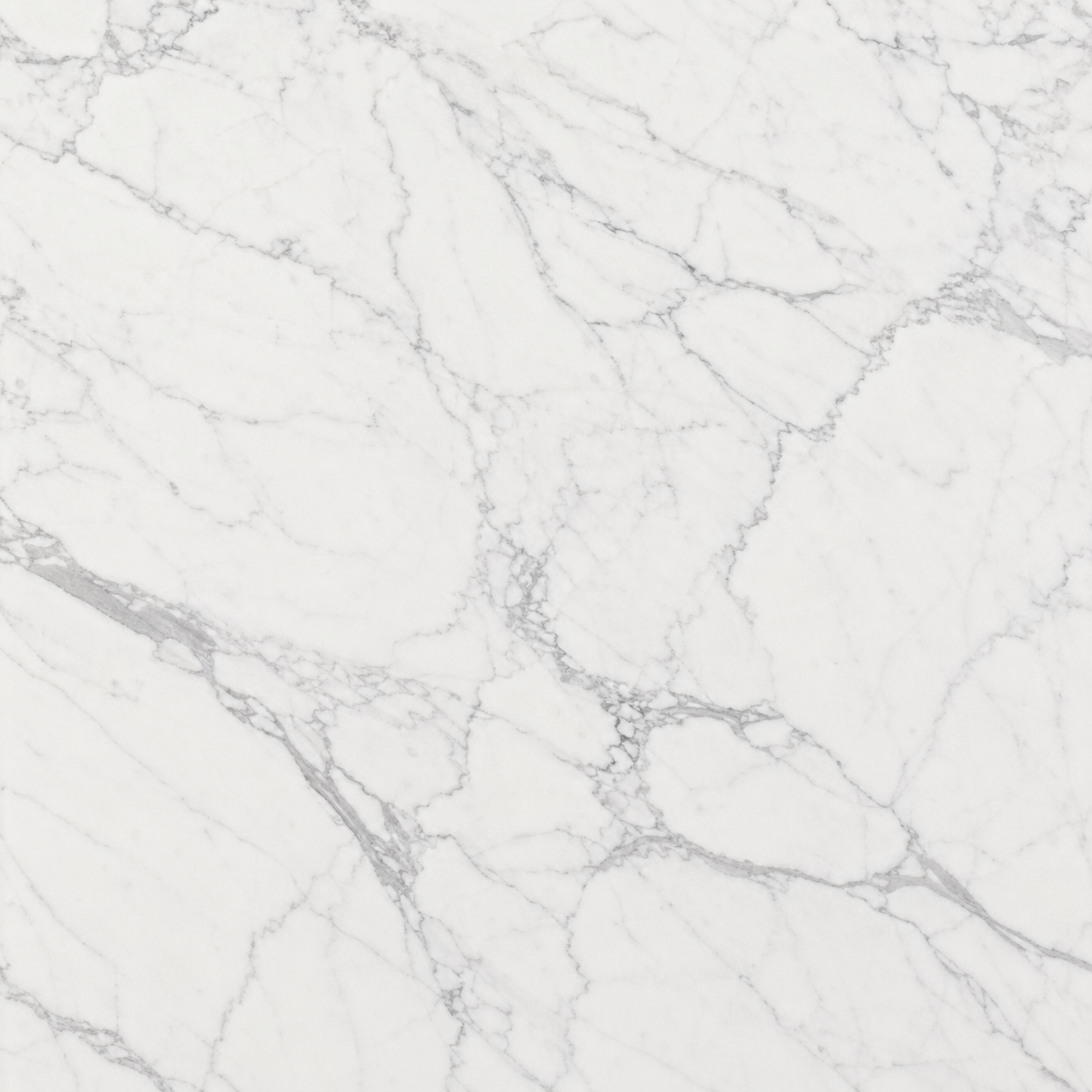
Monte Altissimo · Seravezza
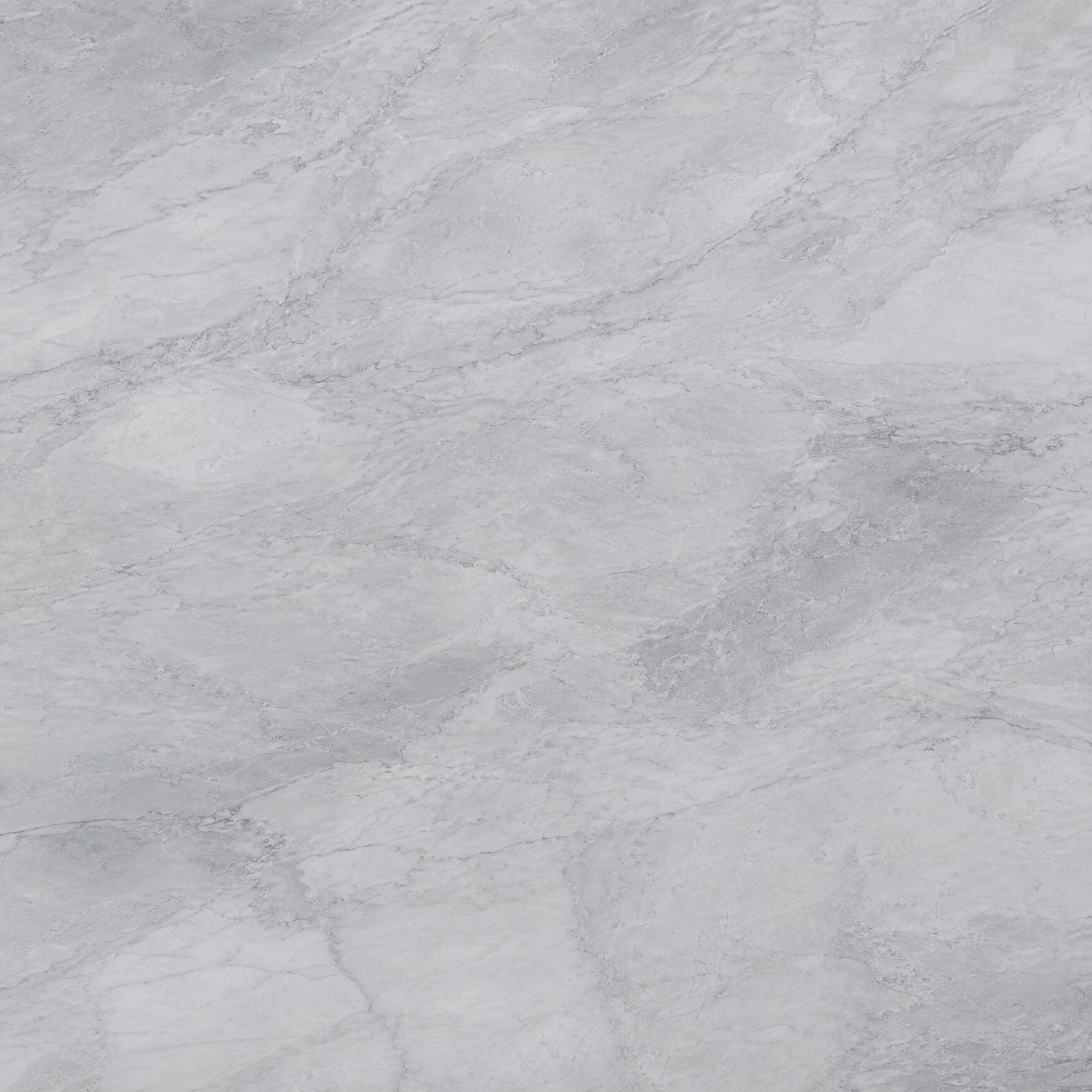
Carrara · Gris Clair
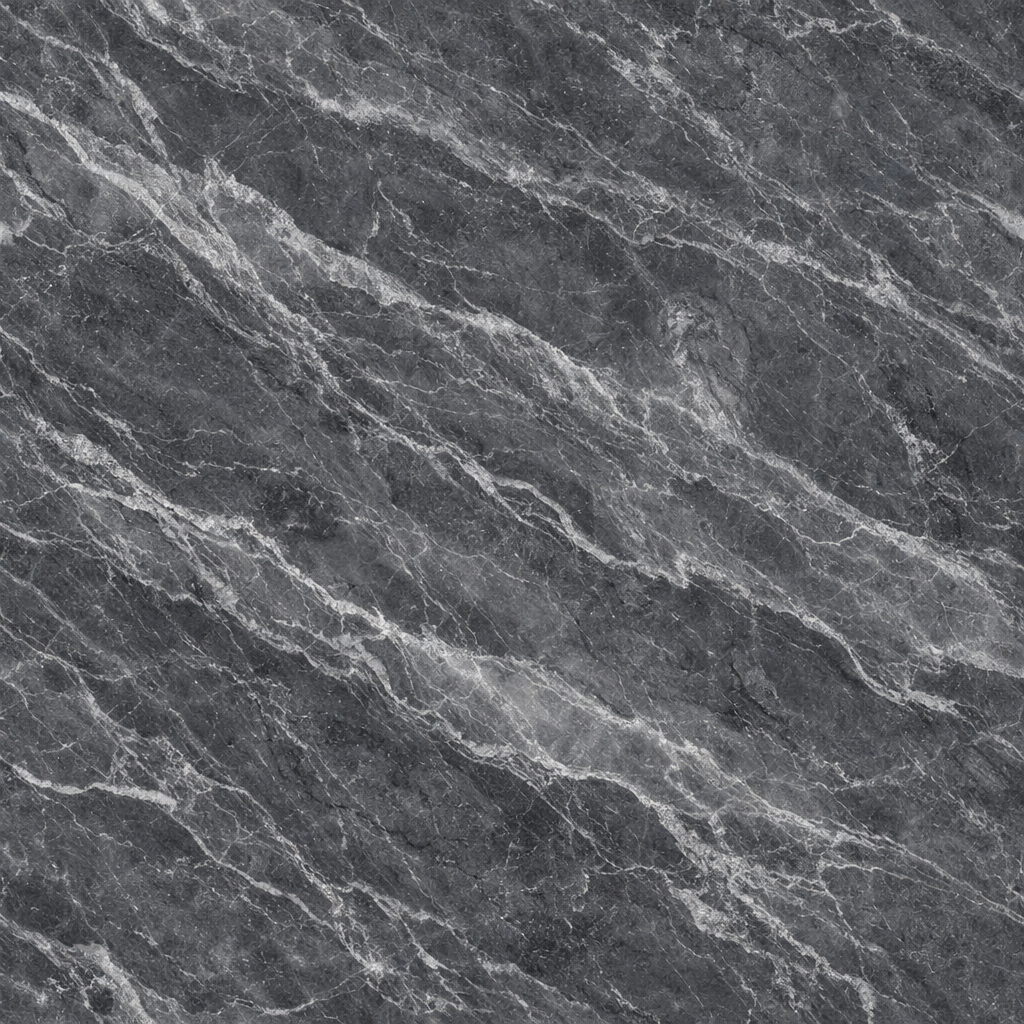
Seravezza · Gris Profond
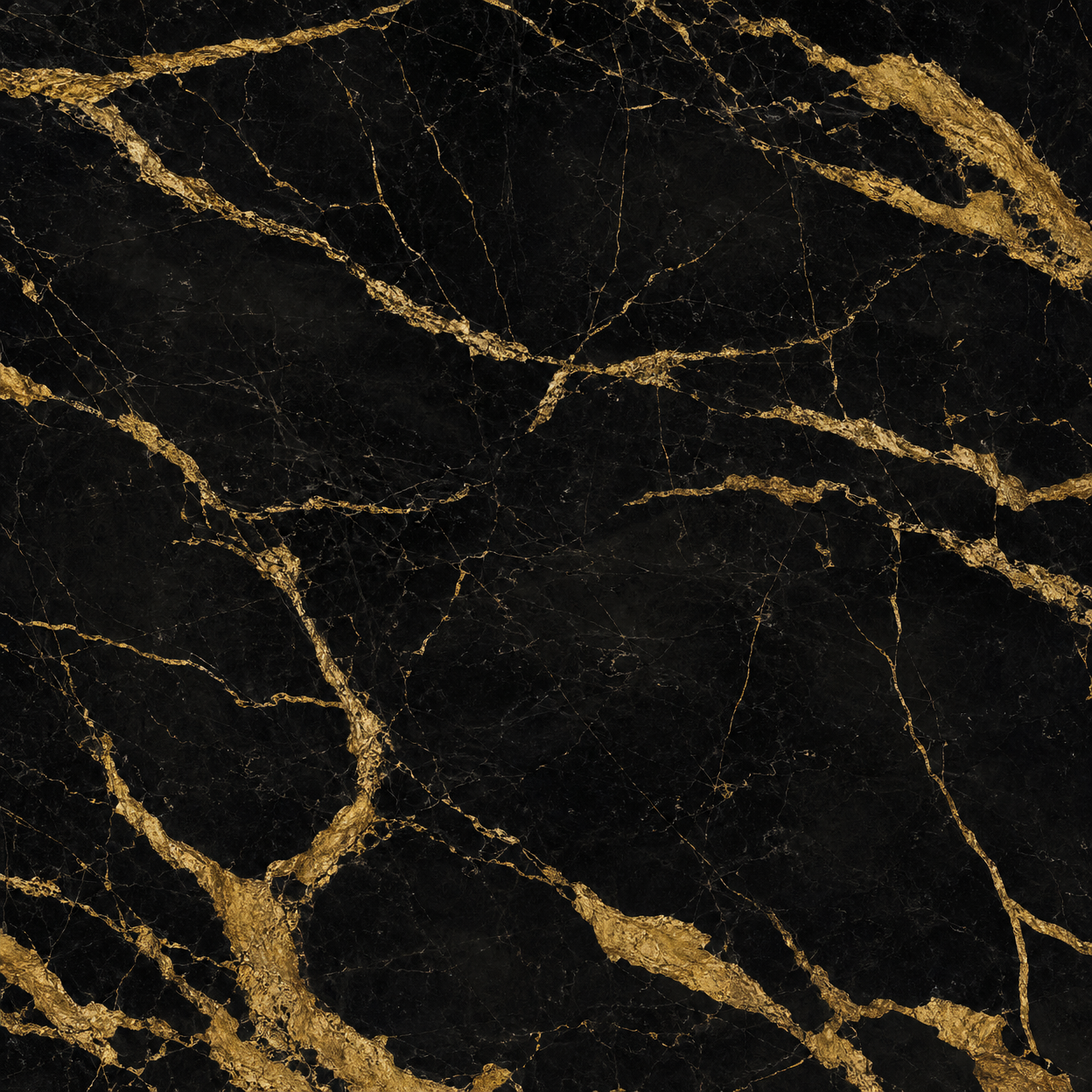
La Spezia · Monte Santa Croce
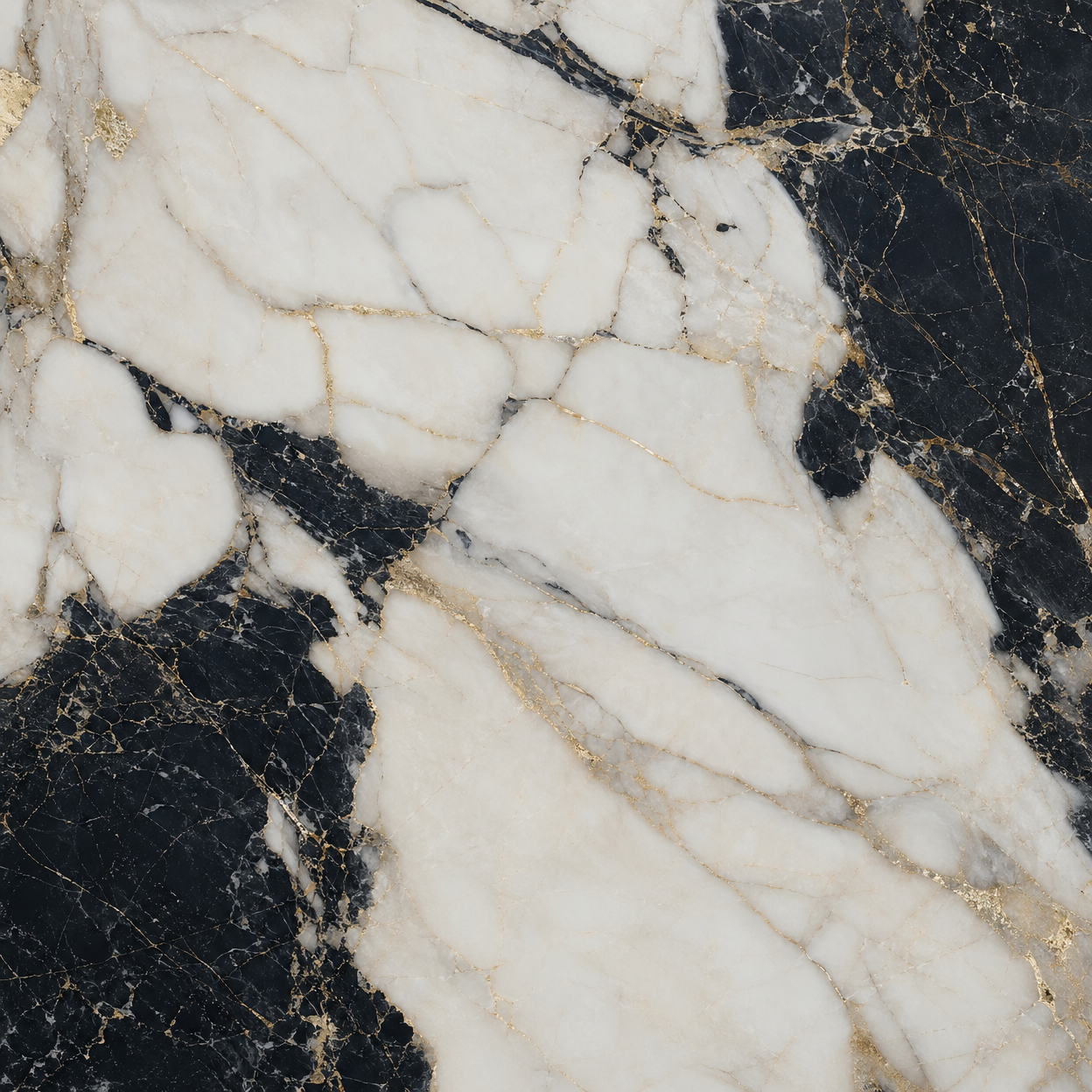
La Spezia · Monte Santa Croce
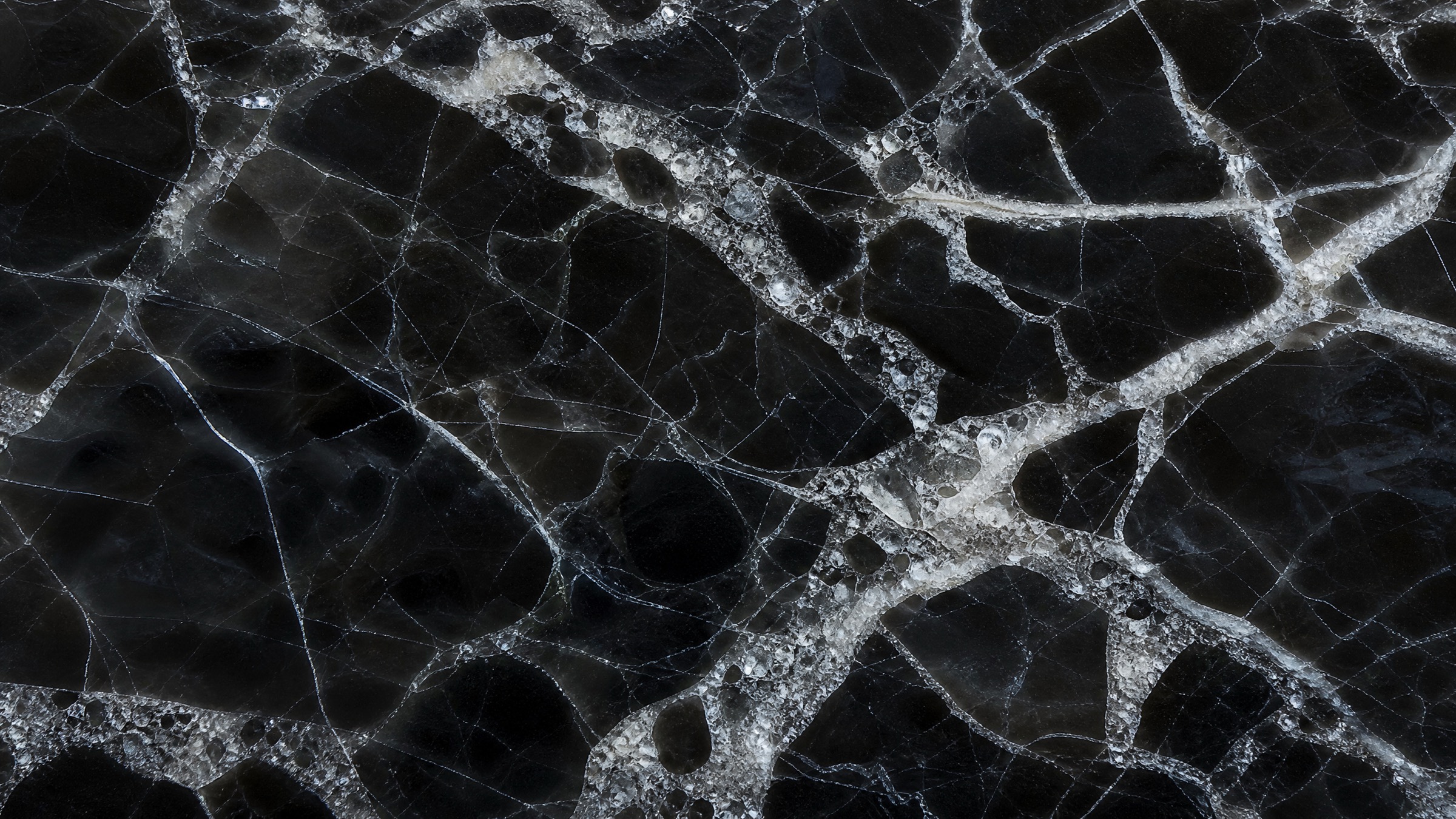
La Spezia · Monte Santa Croce
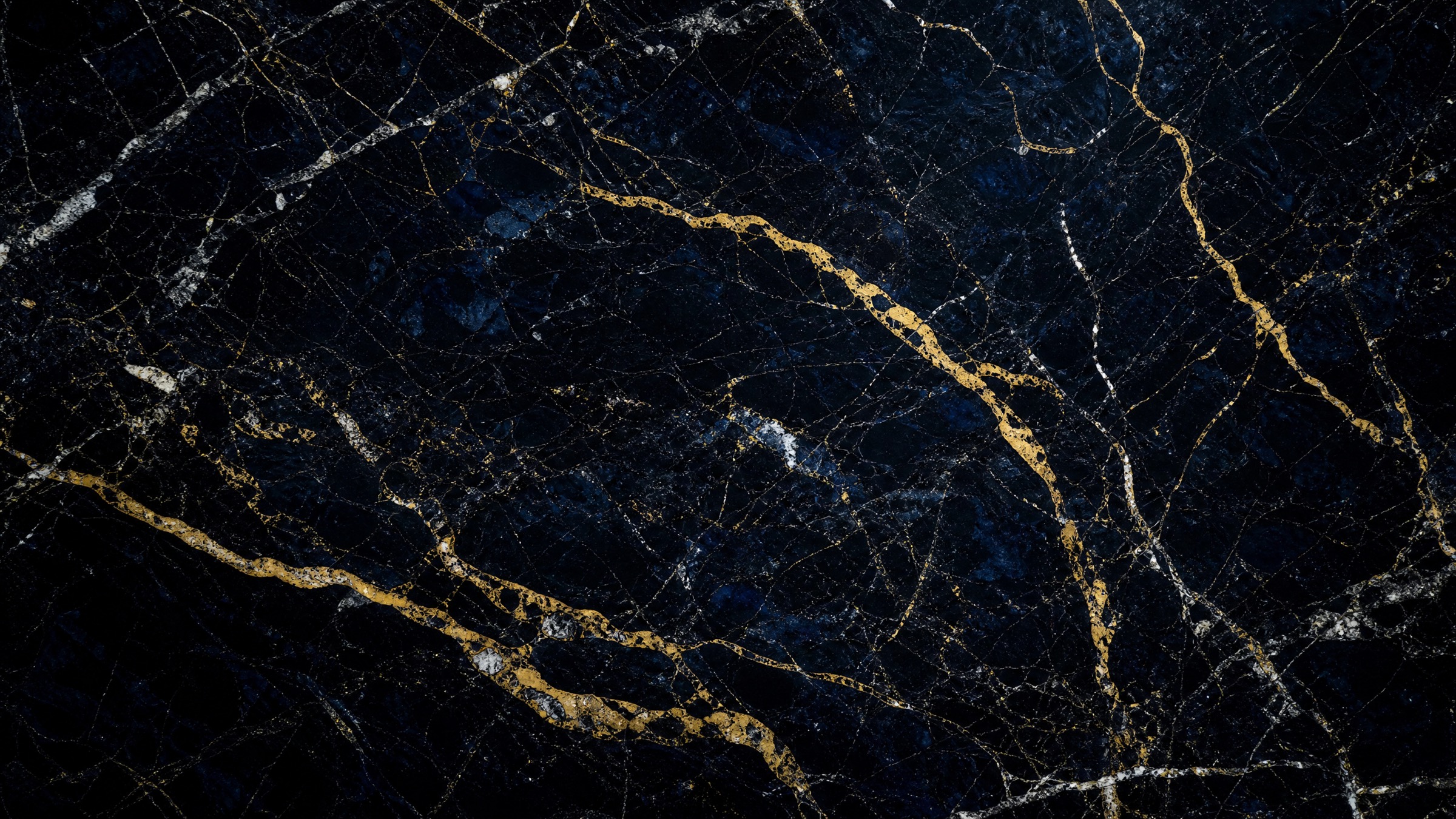
La Spezia · Monte Santa Croce
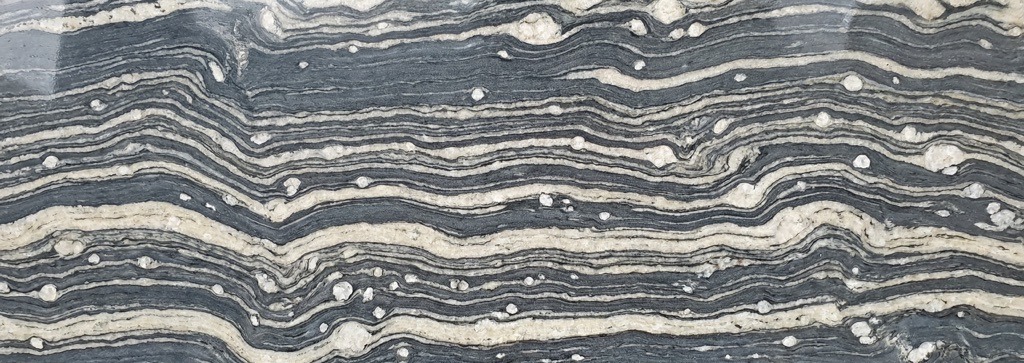
Alpi Apuane · Garfagnana
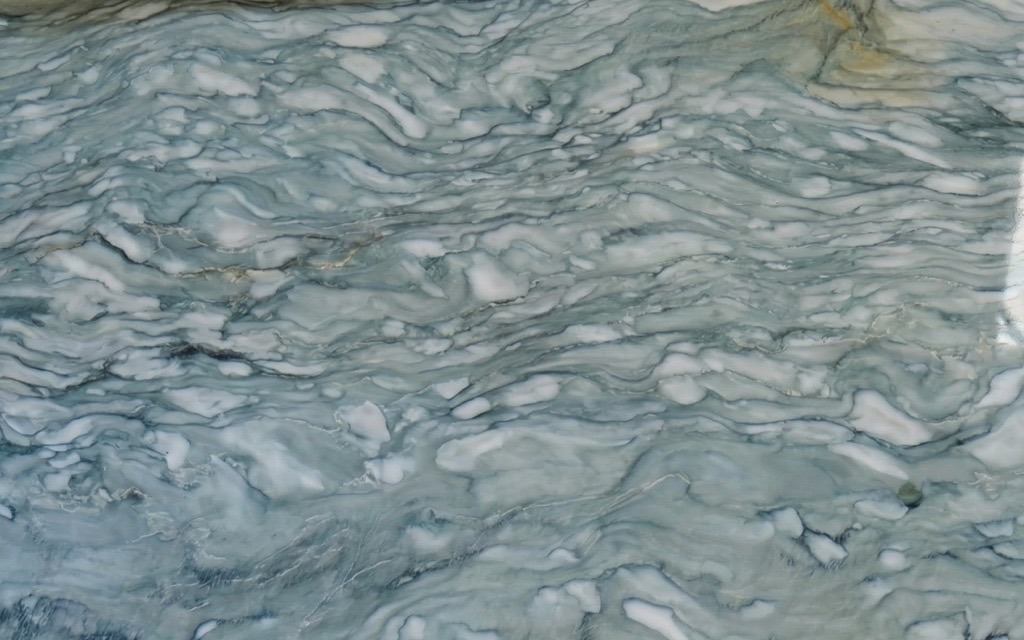
Alpi Apuane · Garfagnana
The Maison
Keturah began in Dubai with a question that had nothing to do with marble: how should a human being feel when they walk into their home? Not impressed — at peace. The first Keturah residences were designed around biology, not aesthetics. Circadian lighting. Air that breathes. Water that moves. Spaces shaped by how the body responds to them, not by how they photograph.
When we started specifying materials for those residences, we found that marble was treated as a commodity — traded through five intermediaries, origin unknown, cut to standard dimensions by people who had never seen the mountain. No one could tell us the name of the quarryman. No one could trace a slab back to its block. That was unacceptable for a project built on the idea that every material carries memory.
So we went to Massa Carrara ourselves. We walked quarry faces at dawn with men whose families have cut this mountain for generations. We stood at the edge of Monte Santa Croce and watched a block of Portoro emerge from the cliff with gold running through its fractures like a river frozen in time. And we understood: this was not a supply chain problem. This was a relationship problem. The stone needed someone who would listen.
Keturah Stones was born from that understanding. We secured direct access to two quarries. We hired the quarrymen — not as suppliers, but as partners. Today, every slab that leaves the mountain carries a passport: the block it came from, the day it was cut, the name of the man who chose it. There is no showroom. There is no catalogue. There is this — the only place where our stones appear. By allocation. By introduction. One architect at a time.
Dubai, UAE
Where the question began
Lugano, CH
Headquarters
Massa Carrara, IT
The mountain
By Allocation
One architect at a time
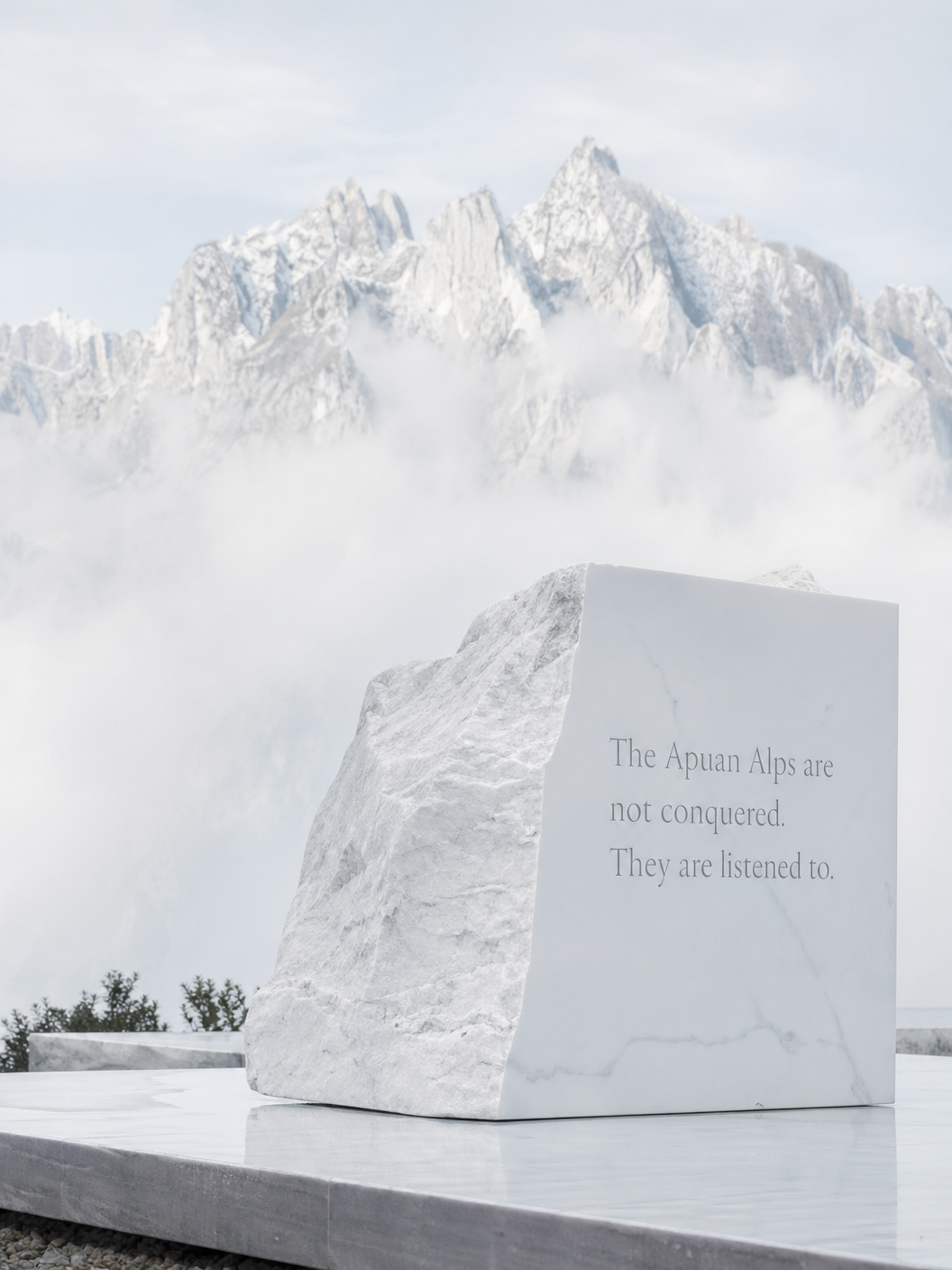
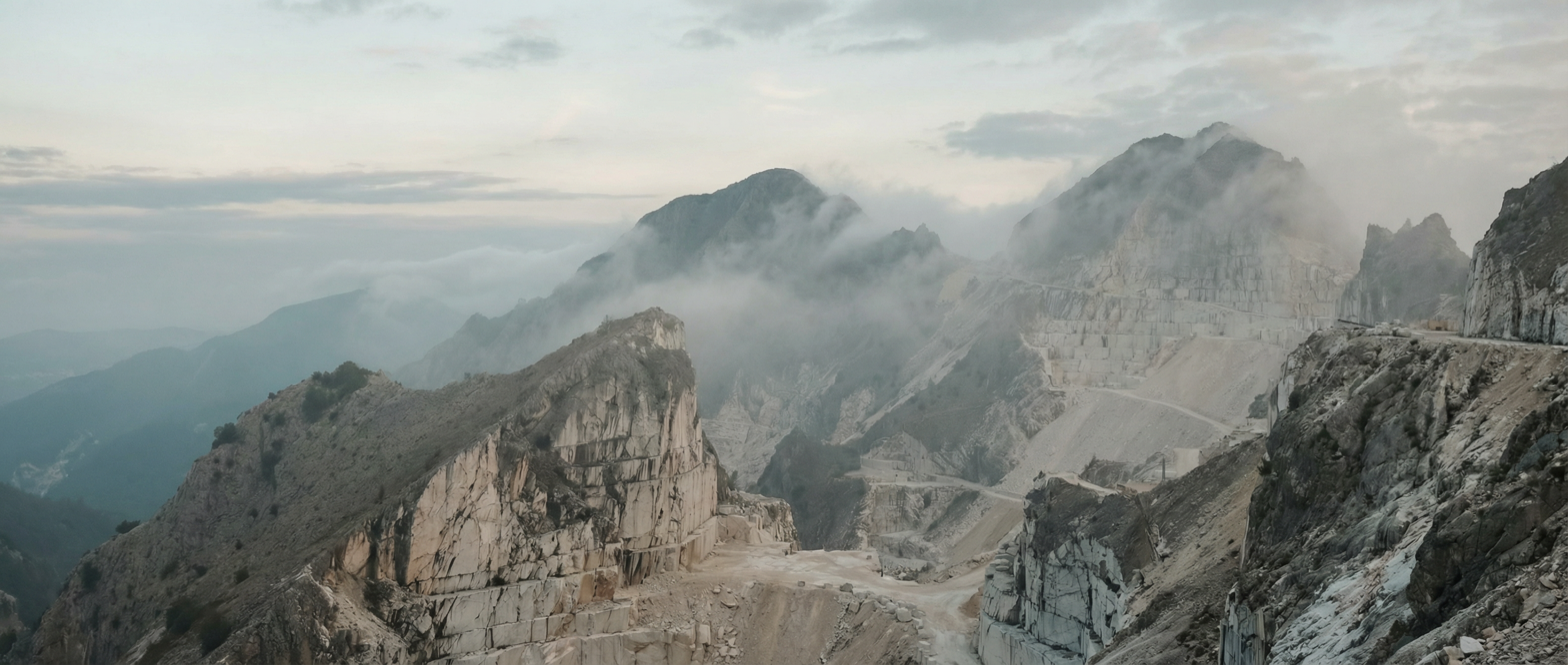
The Alpi Apuane. Where the marble begins.
Origin
Two mountains. Two families of stone. One in the Apuan Alps where the marble is white and the light is silver. One on the Ligurian coast where the limestone is black and the veins run gold. We did not choose these quarries — they chose us, the way a note finds its place in a chord.
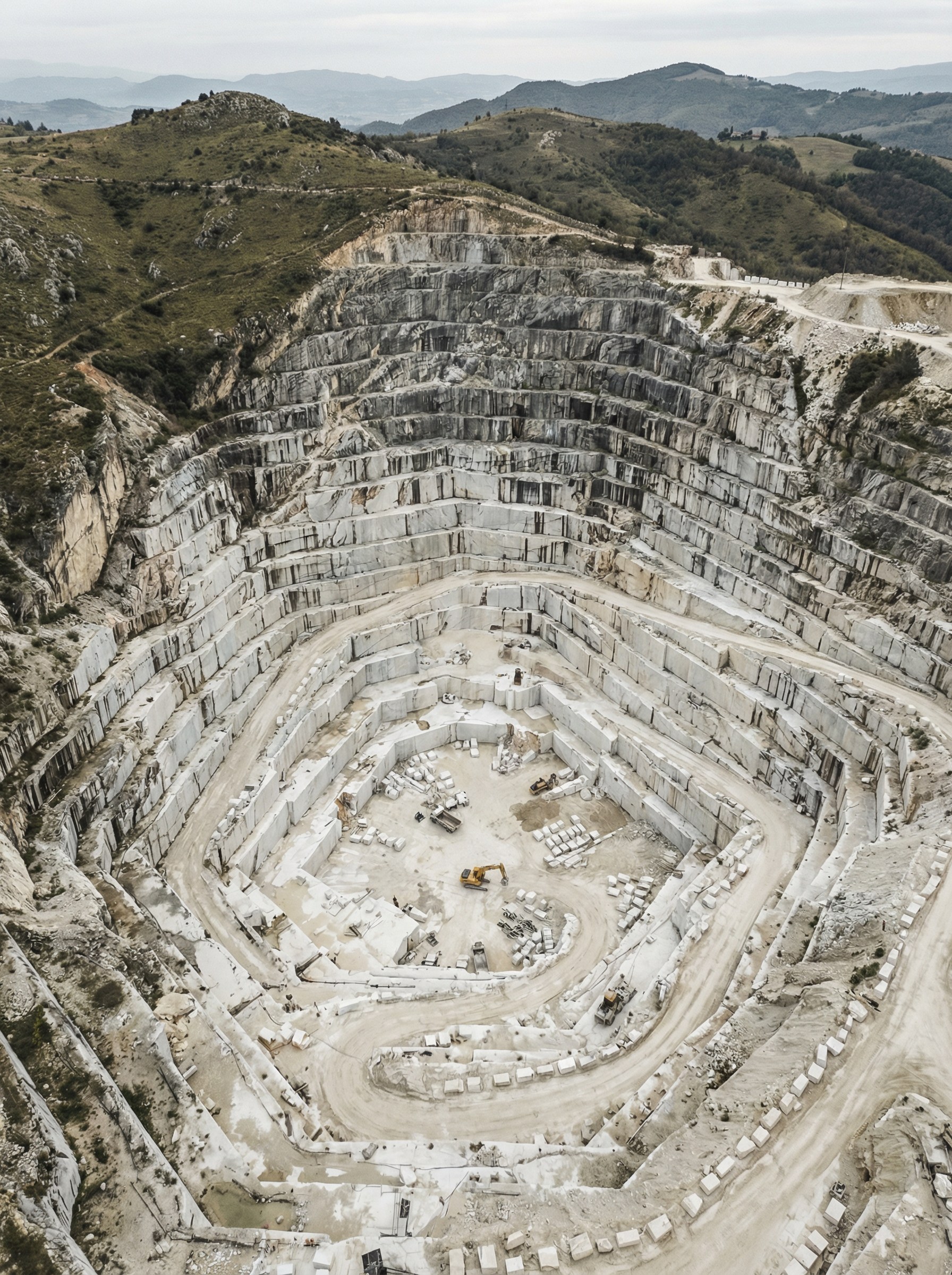
Cava Coltelli — Statuario Mina Reale
Alpi Apuane · Massa Carrara · Tuscany
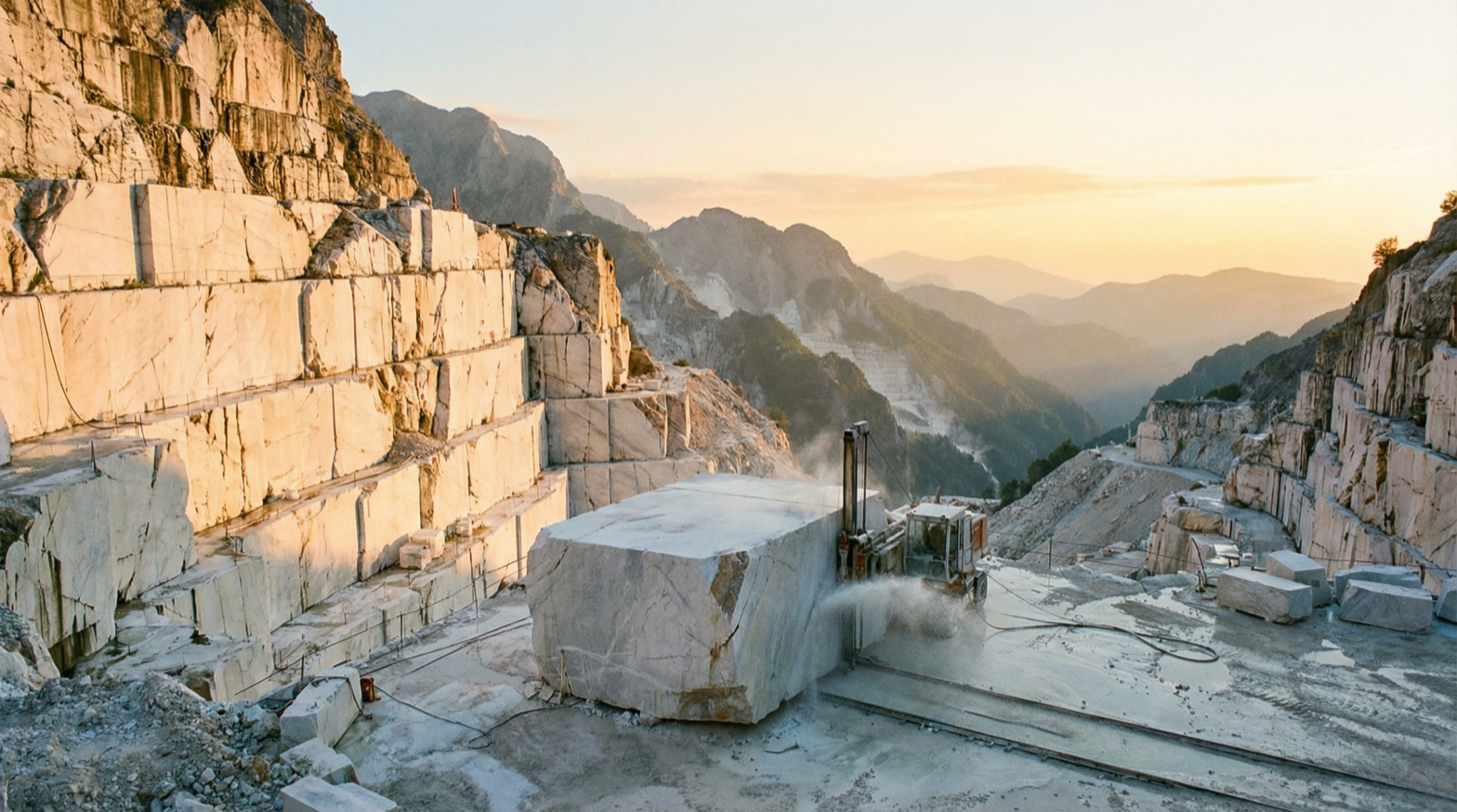
At five in the morning, the quarry is silent. The air smells of wet stone and diesel. A man walks the face alone — the same face his father walked, and his grandfather before him. He is looking for something most people cannot see: a shift in the grain, a shadow in the white, the place where the mountain is willing to let go. This is how blocks are chosen at Cava Coltelli. Not by machine. By eye, by hand, by a knowledge that cannot be taught — only inherited.
The Carrara quarries have been mined since the Roman Empire. Michelangelo climbed this mountain in 1501 to select the block for his David. Our concession includes access to the Mina Reale vein — one of the most prized sources of Statuario on the entire ridge. The marble here is not simply white. It is luminous. Hold a thin slab to the light and it glows from within, the way alabaster does. That translucence is what separates Statuario from everything else.
Stones from this quarry
Bianco Carrara · Bianco Venatino · Bianco Venato · Statuario · Statuarietto · Bardiglio Chiaro · Bardiglio Scuro · Schist · Cipollino
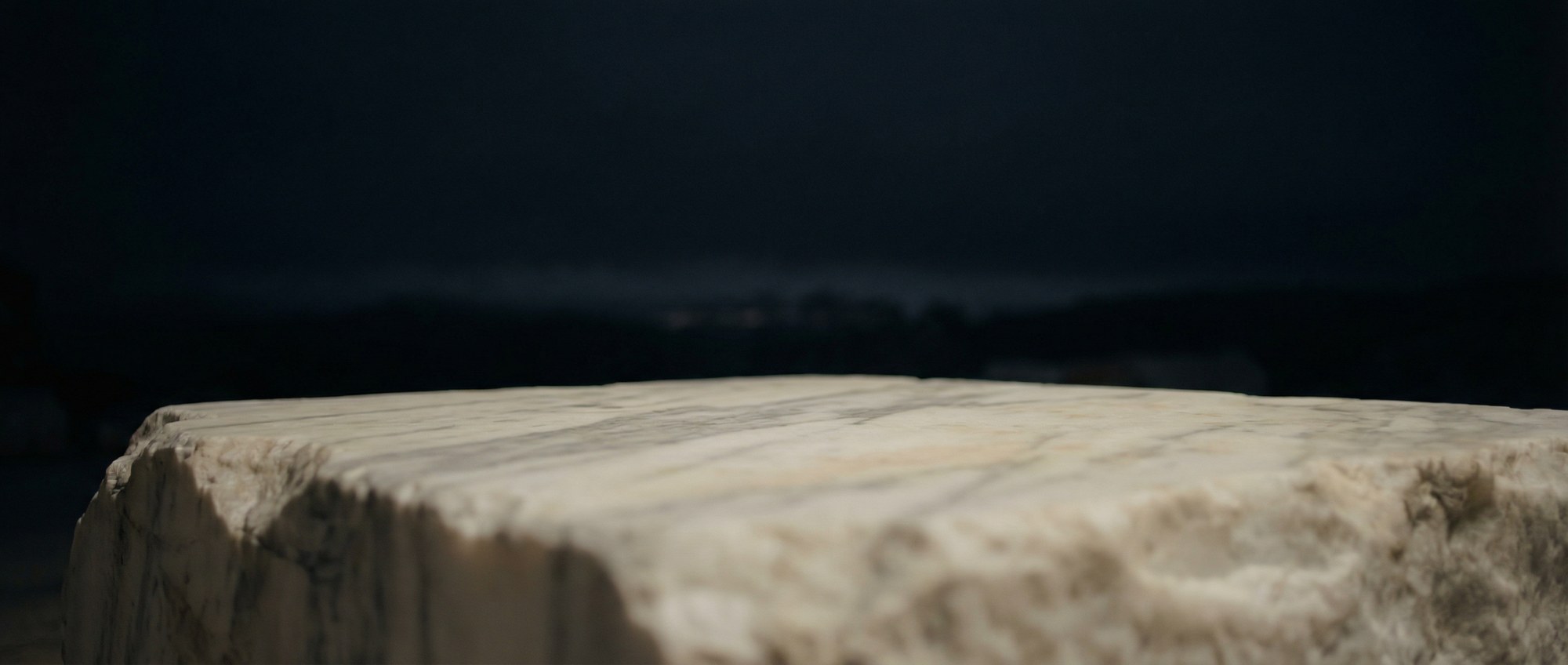
Monte Santa Croce
Near Portovenere · La Spezia · Liguria
The first time you see Portoro in the quarry, you do not believe it is real. The cliff face is black — a deep, marine black — and running through it are veins of pure gold. Not yellow. Gold. The calcite was pressed into the limestone's fractures by two hundred million years of geological pressure, in an oxygen-poor sea that no longer exists. The Romans found it and used it in Luni. The Genoese built their churches with it. And then, slowly, the quarries closed. The mountain was considered exhausted.
Monte Santa Croce is one of the last active Portoro quarries on earth. The extraction is slow and uncertain — four blocks per quarter, if the vein allows. We work four varieties from this single mountain: Gold, with its dramatic golden rivers; White, where the black gives way to calcite clouds; Ice, threaded with silver veins like frozen lightning; and Blue, the rarest, where the black deepens to midnight and the gold becomes almost amber. Each one is a different chapter of the same geological story.
Stones from this quarry
Portoro Extra Gold · Portoro White · Portoro Ice · Portoro Blue
The Collection
Thirteen stones. Not because we could not find more — because we stopped looking when we found these. Each one was chosen for a quality that cannot be manufactured: the depth of a vein, the warmth of a ground, the way light moves across the surface at different hours of the day. This is not a catalogue. It is an inventory of what the mountain has given us this year — and only this year.
Available in six finishes — polished, honed, brushed, sandblasted, flamed, and aged. Custom formats, radial cuts, bookmatching, and seamless joints produced at our atelier in Massa Carrara.
Massa Carrara
Lasa · 1,567m
Apuanes
Vena Chiara
Monte Altissimo
Carrara · Gris Clair
Seravezza · Gris Profond
La Spezia · Monte Santa Croce
La Spezia · Monte Santa Croce
La Spezia · Monte Santa Croce
La Spezia · Monte Santa Croce
Alpi Apuane · Garfagnana
Alpi Apuane · Garfagnana
Stone is not decoration. It is the earth offering calm.
"Before I compose a piece, I walk around it several times, accompanied by myself."
Erik Satie, 1866–1925
Craftsmanship
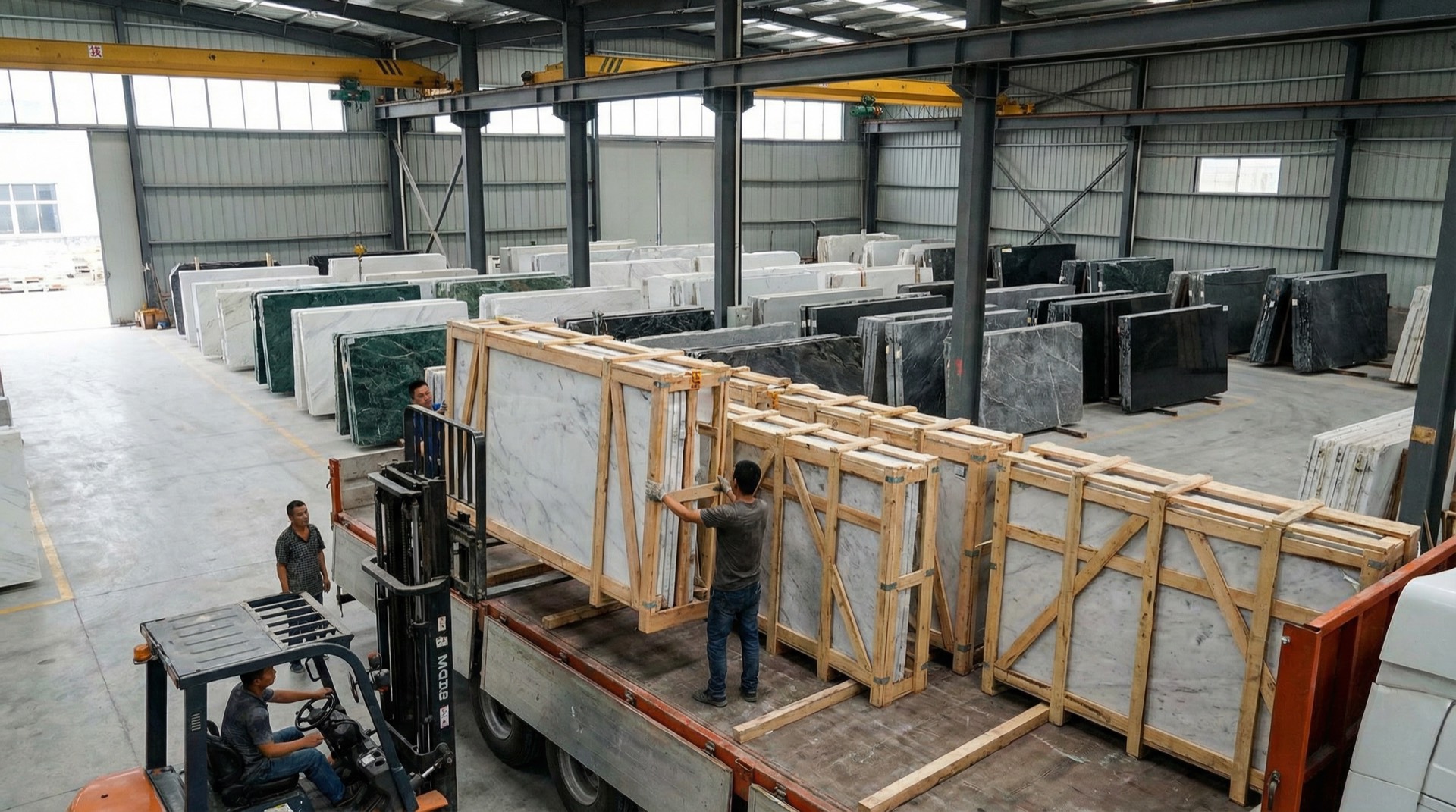
Between the mountain and the room where the stone will live, no hand touches it that we do not know by name. This is not a supply chain. It is a chain of custody — and of care. Every cut, every polish, every crate is documented and signed.
Before sunrise. The quarry chief walks the face with a lamp and a piece of chalk. He marks the blocks worth cutting — sometimes two, sometimes none. The mountain offers what it offers. You do not negotiate with two hundred million years.
Every block that leaves the face is photographed, measured, and weighed. A passport is created: origin coordinates, density, date of extraction, name of the quarryman who selected it. This document follows the stone to its final destination.
The diamond wire enters the block at a rhythm the cutter adjusts by ear. Too fast, the stone bruises — microscopic fractures that will surface months later. Too slow, the wire glazes and the cut drifts. Between the two, a single pass takes a full day. Sometimes two. The dust that rises takes the colour of the marble it came from.
Polished, honed, brushed, sandblasted, flamed, or aged — six possible surfaces, each requiring its own week. The edge profile is drawn on paper before the first tool touches the slab. A polished Portoro reflects like black water. A brushed Statuario feels like cold silk under the hand.
Individual felt-lined wooden crates, built to the exact dimensions of each slab. Chain of custody maintained from the port of Livorno to the architect's site. A Keturah site chief attends every installation. The stone is not delivered — it is placed. And when the last slab is set and the room is complete, it is photographed one final time.
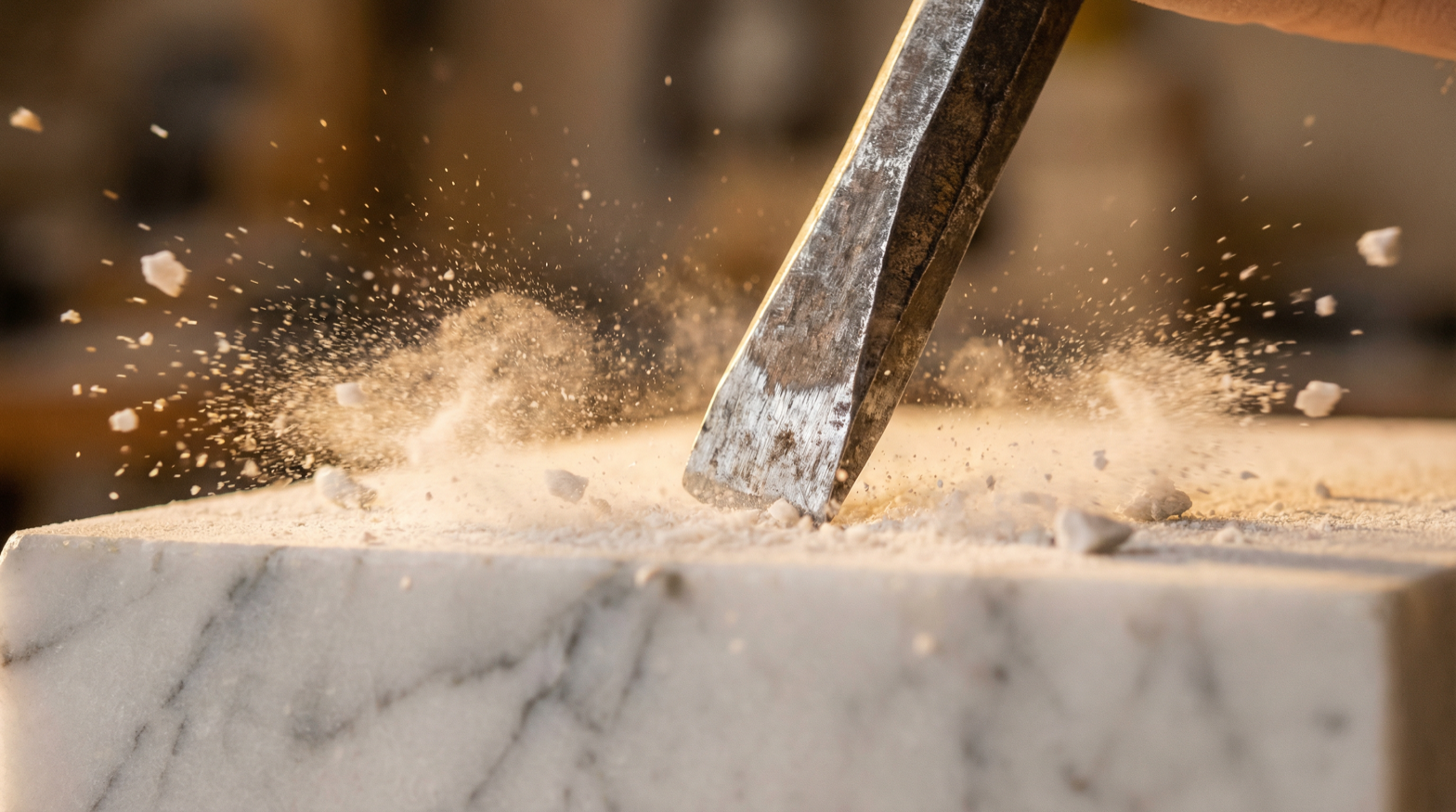
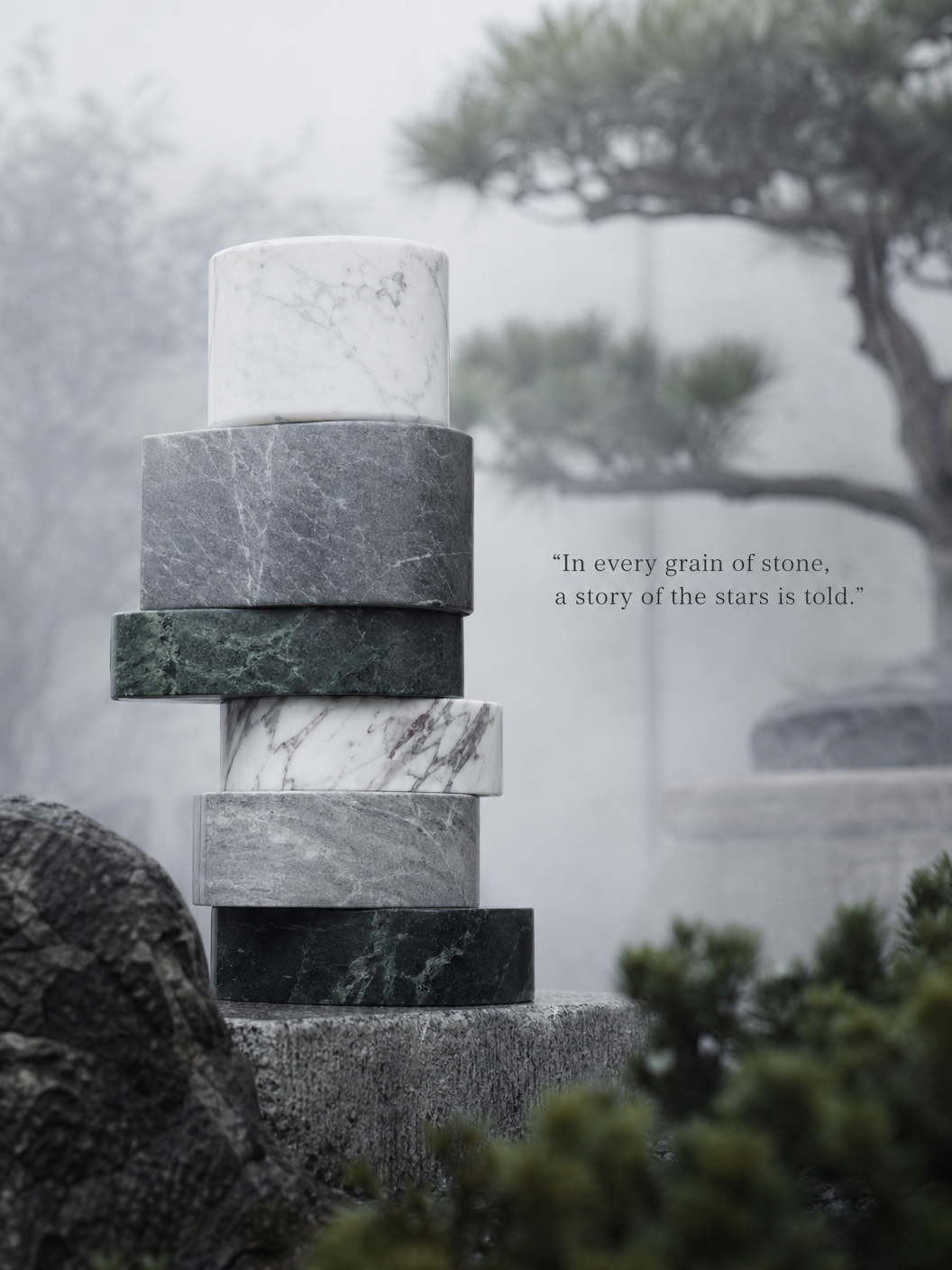
In every grain of stone, a story of the stars is told.
Projects
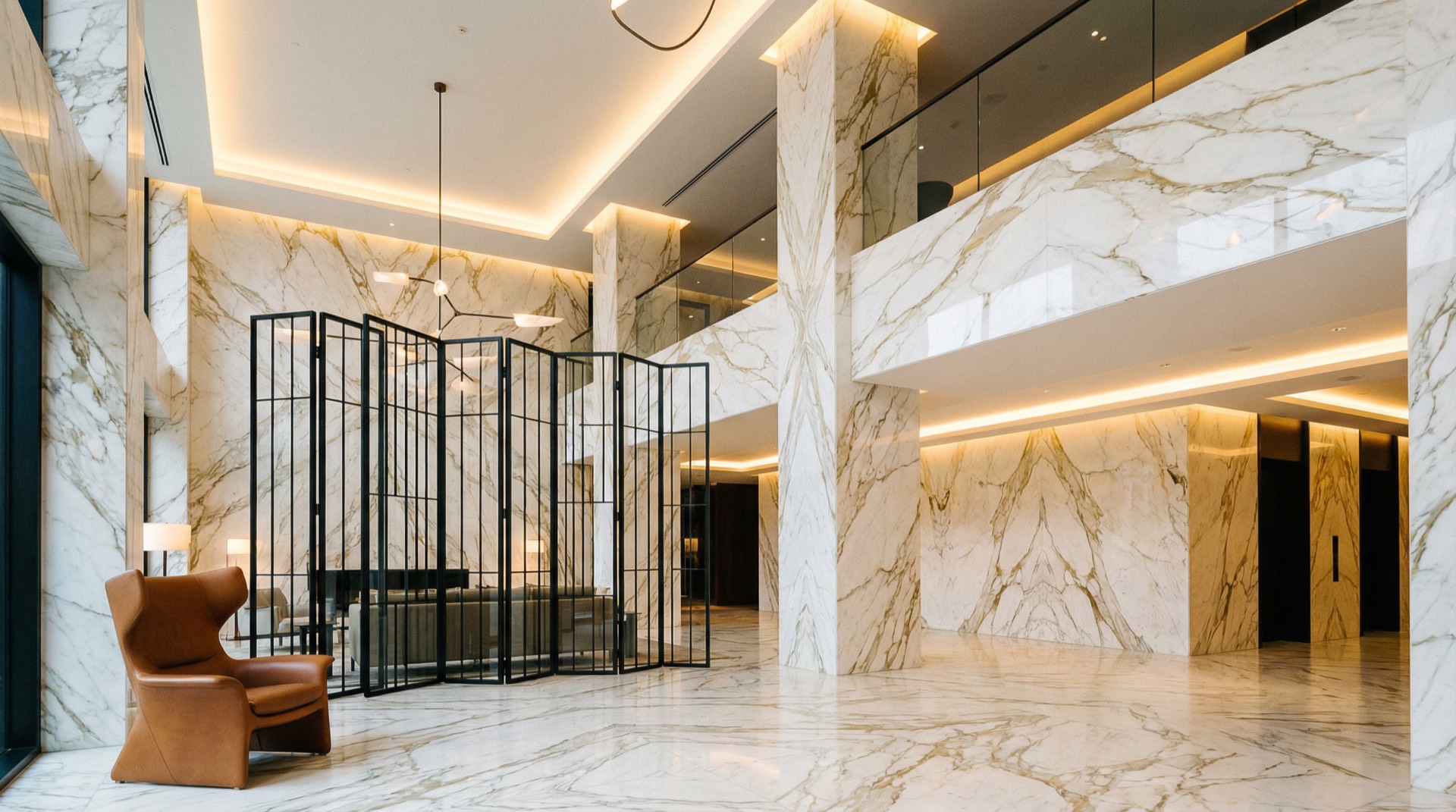
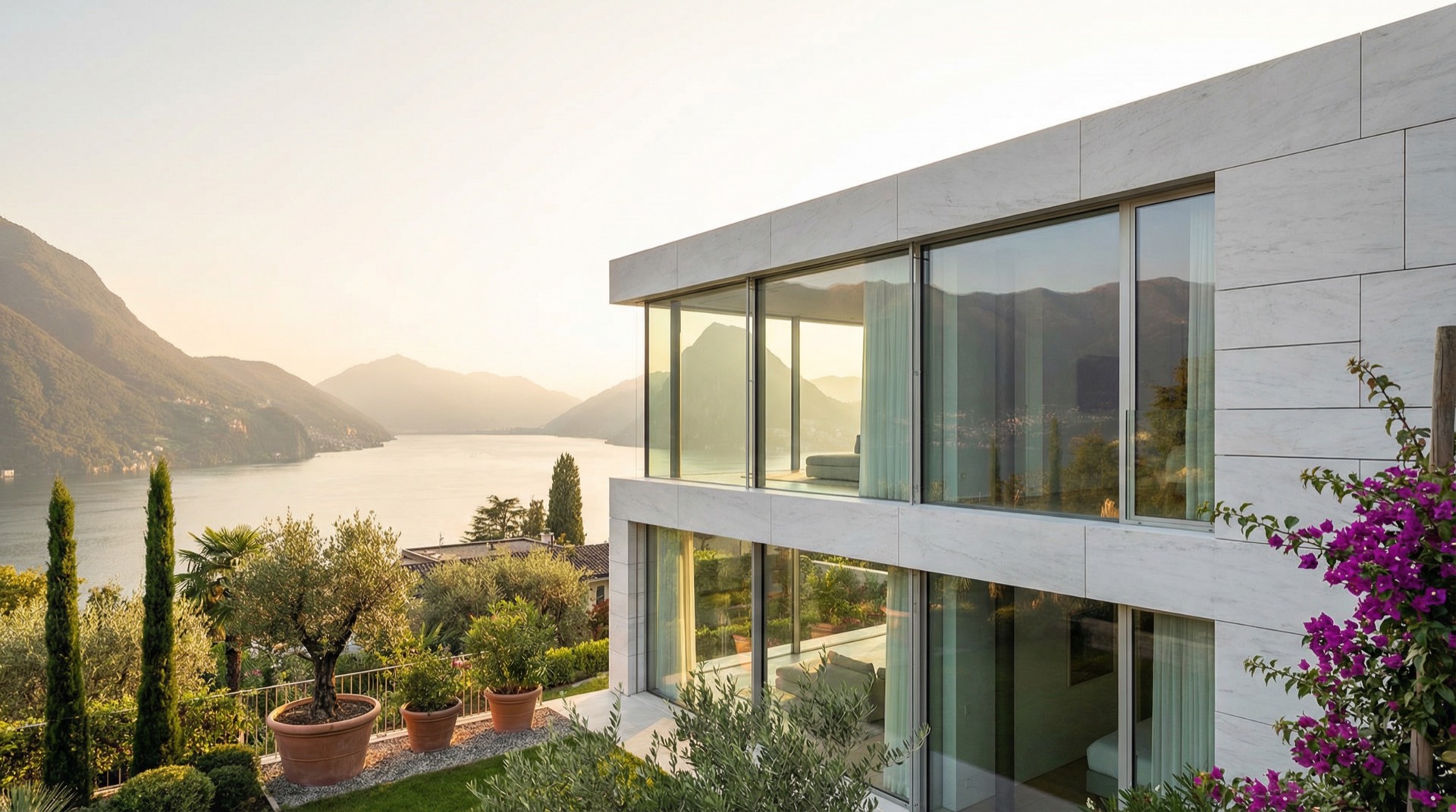
A slab does not end at the quarry. It ends in a room where someone lives, breathes, and is changed by its presence. These are spaces where our stone found its purpose — not as decoration, but as the quiet centre of an architecture built for the human body.
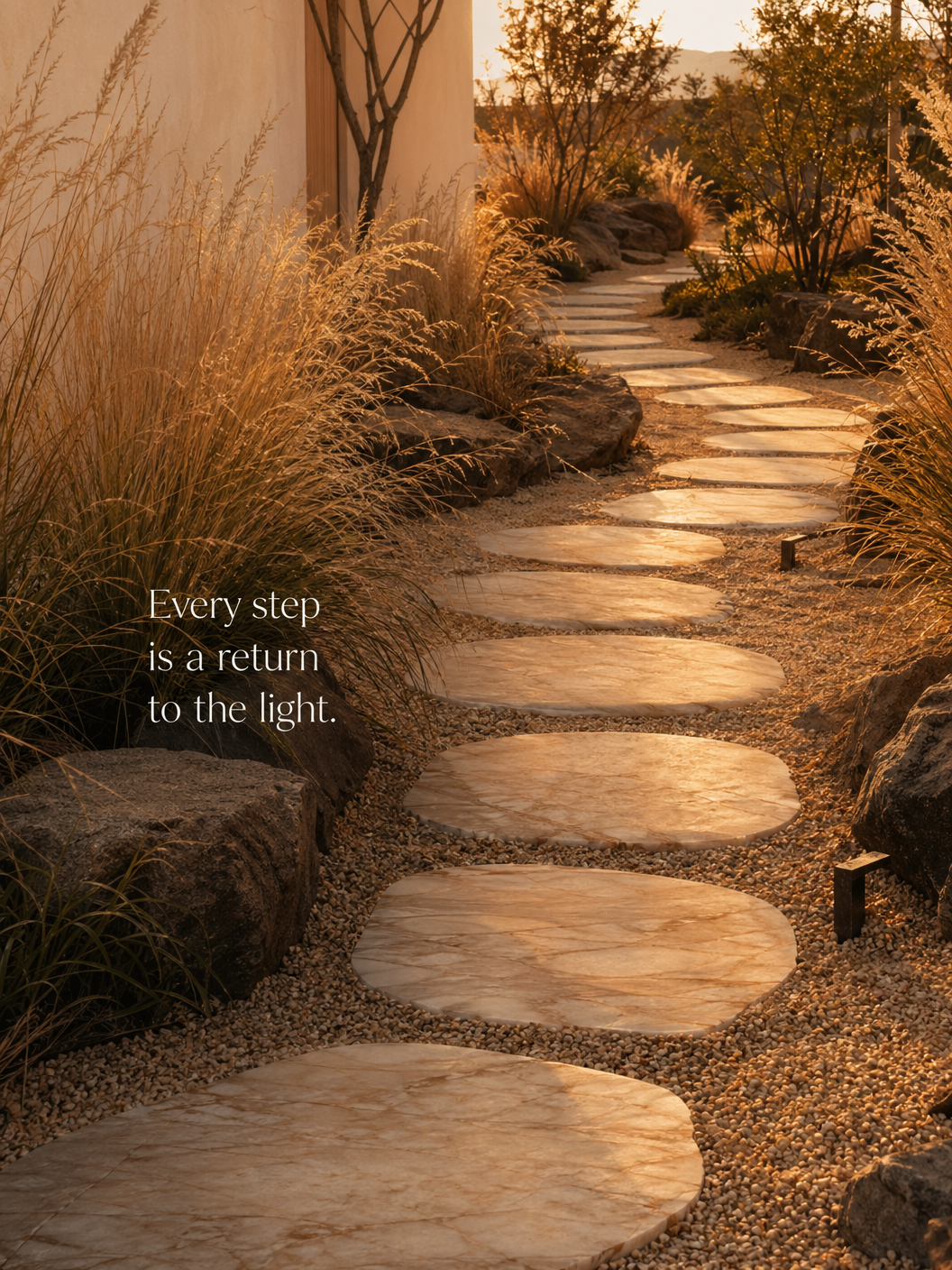
Every step is a return to the light.
Begin the Conversation
Tell us about the room. Not the dimensions — the light. The hour of day when someone will stand in it and feel something. We respond within three working days. And when one of our stones is the right answer, we meet — in Lugano or at the quarry in Massa Carrara, where you can touch the block before we cut it.
Via San Gottardo 53
6900 Lugano, Switzerland
+41 79 451 84 90
Via Degli Oliveti 110
54100 Massa (MS), Italy